PP Raffia is vital in packaging and agriculture. But production issues can cause costly defects. Early problem detection is crucial for consistent quality. In this post, you’ll learn the top 5 common problems in PP raffia production and how to solve them effectively.
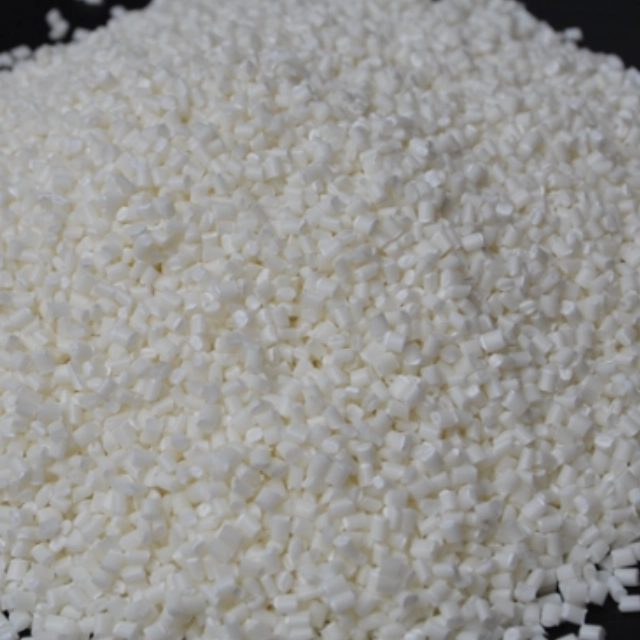
Top 5 Common Problems in PP Raffia Production and How to Solve Them
Producing high-quality PP raffia involves navigating several common production challenges. Understanding these issues helps manufacturers maintain efficiency and product consistency. Below, we explore the top five common PP raffia production problems and practical solutions to address them.
1. Poorly Dispersed Filler: Causes and Effective Remedies
Causes:
Low-quality filler masterbatch from suppliers often leads to uneven dispersion.
Long machine downtime causes the extruder to block, disrupting filler distribution.
High moisture content in raw materials and excessive recycled plastic worsen dispersion.
Dirty equipment and production lines contribute to filler clumping.
Solutions:
Operate machines regularly to prevent extruder blockage.
Thoroughly dry raw materials to reduce moisture effects.
Clean equipment and production lines frequently to maintain smooth operation.
Choose high-quality filler masterbatch with proven dispersion properties.
2. Color Fading in PP Raffia: Identifying and Fixing the Issue
Causes:
Insufficient extrusion pressure results in uneven film thickness and color inconsistencies.
Poor compatibility among plastics, fillers, and recycled content causes flow interference.
Inhomogeneous resin flow after the mold head creates weak spots and fading patterns.
Solutions:
Adjust pressure settings to ensure uniform plastic flow through the die.
Optimize material blends to improve compatibility and melt homogeneity.
Monitor resin flow regularly and fine-tune extrusion parameters.
3. Film Stripes: Understanding Causes and Preventative Measures
Causes:
Residue buildup on the die head from burnt raw materials narrows the mold opening.
Excessive filler content disrupts film uniformity.
Incorrect temperature settings on spinning machines affect film cooling.
Solutions:
Schedule regular die head cleaning to prevent residue accumulation.
Control filler rates within recommended limits for consistent film thickness.
Calibrate temperature sensors and maintain proper spinning machine settings.
4. Excess Water Carried by Film: Challenges and Solutions
Causes:
Hydrophilic fillers and additives increase water adhesion on the film surface.
Malfunctioning auxiliary equipment like wipers and water absorption rods fail to remove water effectively.
Film handling parameters such as height and slope impact water drainage.
Solutions:
Select fillers and additives that minimize water retention.
Maintain and inspect auxiliary systems for efficient water removal.
Adjust film handling setup to optimize water shedding during production.
5. Dust Generation During Production: Minimizing and Managing
Causes:
Solutions:
Reduce friction points through machine design improvements and regular maintenance.
Use high-quality raw materials with minimal impurities.
Implement routine cleaning of machinery and the production environment.
Key Raw Materials Influencing PP Raffia Quality
In PP raffia production, the quality of raw materials directly impacts the final product's strength, durability, and appearance. Manufacturers must carefully select and manage these inputs to avoid common pp raffia production problems and maintain consistent quality control.
Virgin PP Resin Specifications and Their Impact
Virgin polypropylene (PP) resin is the core material in PP raffia manufacturing. Its Melt Index (MI) typically ranges from 2.5 to 5, influencing the extrusion flow and mechanical properties. Using resin with the right MI ensures smooth extrusion and optimal film strength. Lower-quality or inconsistent resin grades can cause pp raffia granules defects, leading to weak spots and production interruptions.
Role of Filler Masterbatch and Selection Criteria
Fillers enhance the strength and reduce costs but must be well-dispersed to avoid manufacturing defects. Filler masterbatch usually consists of PP or PE bases and is used at concentrations between 2% and 45%, depending on product requirements. Selecting a high-quality filler masterbatch with uniform dispersion properties minimizes common pp raffia issues such as poorly dispersed filler and film stripes. The filler’s compatibility with the resin and additives is crucial to prevent flow interference during extrusion.
Incorporating Recycled Plastics: Benefits and Risks
Recycled plastics help reduce costs and environmental impact but pose challenges in pp raffia production troubleshooting. Variability in recycled material quality can introduce impurities and moisture, leading to extrusion problems and inconsistent film quality. Excessive recycled content may cause pp raffia granules quality to decline, resulting in weak points or color fading. Manufacturers should balance recycled content carefully and ensure thorough drying and sorting before use.
Essential Additives for Enhancing PP Raffia Performance
Additives improve properties such as UV resistance, color stability, and processing ease. However, some additives with hydrophilic groups can increase water adhesion on the film, contributing to the problem of excess water carried by film. Choosing compatible additives and optimizing their concentrations helps maintain uniform film quality and reduces defects during the pp raffia production process.
Optimizing the PP Raffia Manufacturing Process for Quality Control
Ensuring high-quality PP raffia requires careful control at every stage of the manufacturing process. Addressing common pp raffia extrusion problems and machine issues early can significantly reduce production defects and improve overall efficiency. Below, we discuss critical stages and best practices for maintaining consistent quality control.
Critical Stages in PP Raffia Production Line
The PP raffia production line typically involves several key steps:
Feeding and Melting: Pellets of virgin PP resin, filler masterbatch, recycled plastic, and additives are fed into the extruder hopper, where they melt and mix.
Extrusion: The molten mixture is forced through a die to form a flat film or sheet.
Cooling and Stretching: The extruded film passes through a cooling water bath, solidifying and stretching to orient the polymer chains.
Twisting and Texturizing: The cooled film is twisted into raffia threads, enhancing strength and flexibility.
Winding: The finished threads are wound onto spools for storage or further processing.
Each stage influences the final product's mechanical properties, appearance, and defect rate. Monitoring these steps closely helps identify and prevent pp raffia production defects.
Maintaining Consistent Extrusion and Twisting Parameters
Key process parameters must remain stable to avoid common pp raffia process problems:
Extrusion Temperature: Maintain temperatures suited to the resin’s melt index to ensure smooth flow without degradation.
Pressure at the Die Head: Consistent pressure prevents uneven film thickness and color fading.
Screw Speed: Regulate screw speed to balance throughput and melt homogeneity.
Twisting Speed and Tension: Proper twisting ensures uniform thread strength and reduces dust generation.
Fluctuations in these parameters can cause defects such as film stripes, poorly dispersed filler, or weak spots in the raffia.
Best Practices for Equipment Cleaning and Maintenance
Clean equipment is vital to prevent contamination and mechanical issues:
Regular Die Head Cleaning: Residue buildup can narrow the die opening, causing film stripes and uneven extrusion.
Extruder and Screw Maintenance: Prevent blockages and ensure uniform mixing by routine inspection and cleaning.
Cooling Bath and Auxiliary System Checks: Maintain water quality and ensure wipers and water-absorbing rods function properly to reduce excess water on the film.
Twisting and Winding Equipment Upkeep: Lubricate moving parts and adjust tension controls to minimize friction and dust.
A well-maintained production line reduces downtime and helps maintain consistent pp raffia granules quality.
Monitoring and Adjusting Process Variables to Prevent Defects
Continuous monitoring allows quick detection of deviations:表格 还在加载中,请等待加载完成后再尝试复制Using automated sensors and feedback systems can enhance control and reduce human error during production.
Advanced Techniques to Prevent and Address PP Raffia Production Issues
In PP raffia production, advanced troubleshooting and preventive techniques are essential to overcome common challenges like poorly dispersed filler, color fading, film stripes, excess water adhesion, and dust generation. Applying these methods improves product quality and reduces downtime caused by pp raffia extrusion problems and machine issues.
Regular Machine Operation to Avoid Filler Dispersion Problems
Consistent machine use prevents extruder blockages that cause uneven filler dispersion. When machines sit idle, melted material can solidify inside the extruder, leading to clogs and poor mixing. Running the equipment regularly keeps the filler masterbatch well dispersed, minimizing local defects in the pp raffia granules quality. This practice also reduces the risk of pp raffia production defects linked to filler clumping.
Pressure and Temperature Adjustments for Uniform Film Quality
Maintaining optimal pressure at the die head ensures the molten polymer flows evenly, preventing color fading and film stripes. Too low pressure causes uneven extrusion, while excessive pressure may damage equipment. Similarly, precise temperature control stabilizes melt viscosity, promoting smooth flow and uniform film thickness. Adjusting these parameters based on real-time monitoring helps avoid common pp raffia process problems and improves overall extrusion quality.
Selecting Compatible Materials to Reduce Flow Interference
Compatibility between virgin PP resin, filler masterbatch, recycled plastics, and additives is critical. Incompatible blends cause flow interference, leading to weak spots, color inconsistencies, and extrusion disruptions. Conducting compatibility tests before production and optimizing material ratios can prevent these issues. Using materials with similar melt indices and thermal properties enhances melt homogeneity and reduces polypropylene raffia production challenges.
Optimizing Filler and Additive Use to Control Water Adhesion
Some fillers and additives contain hydrophilic groups that increase water retention on the film surface. Excess water carried by film lowers yarn orientation and mechanical properties. Selecting fillers with low water affinity and balancing additive concentrations minimizes wet adhesion. Additionally, integrating water-repellent additives can improve film drying. Regularly maintaining auxiliary equipment like wipers and water-absorbing rods ensures effective water removal during production.
Friction Reduction Methods to Minimize Dust Generation
Dust arises from friction between raffia threads and machinery components, causing material erosion and powder formation. Reducing friction points through machine design improvements and proper lubrication decreases dust. Using high-quality raw materials with minimal impurities also lowers dust generation. Implementing routine cleaning schedules for equipment and the production environment keeps dust levels manageable, enhancing pp raffia quality control.
Choosing Reliable Partners for High-Quality PP Raffia Raw Materials
Selecting dependable suppliers for raw materials is crucial in overcoming common PP raffia production problems and ensuring consistent product quality. Partnering with experienced filler masterbatch suppliers and resin manufacturers directly impacts production efficiency and final output.
Benefits of Partnering with Experienced Filler Masterbatch Suppliers
Experienced suppliers bring several advantages:
Consistent Quality: They provide filler masterbatch with uniform dispersion, reducing poorly dispersed filler issues.
Technical Support: Knowledgeable partners assist in selecting fillers compatible with your resin and additives to prevent flow interference and color fading.
Customized Solutions: They can tailor filler formulations to meet specific mechanical and aesthetic requirements.
Reliable Supply: Ensures steady material availability, minimizing production interruptions caused by raw material shortages.
Such collaboration helps manufacturers avoid common PP raffia manufacturing defects linked to raw material variability.
How Quality Raw Materials Improve Production Efficiency
High-quality raw materials influence the entire production line:
Smooth Extrusion: Virgin PP resin with the right Melt Index (MI) ensures stable melt flow, preventing extrusion blockages.
Reduced Machine Downtime: Well-dried and clean raw materials cut down on equipment fouling and maintenance needs.
Improved Film Uniformity: Consistent filler masterbatch reduces film stripes and color inconsistencies.
Lower Defect Rates: Quality inputs minimize granules defects and dust generation during production.
Investing in premium raw materials translates to fewer production troubleshooting interventions and higher throughput.
Case Study: EuP Egypt’s Role in Enhancing PP Raffia Manufacturing
EuP Egypt exemplifies a trusted partner in the PP raffia industry. Their commitment to quality and innovation supports manufacturers by:
Supplying filler masterbatch with excellent dispersion and compatibility.
Providing technical guidance tailored to specific production challenges.
Ensuring timely delivery to maintain uninterrupted production schedules.
Collaborating on optimizing filler and additive formulations to control water adhesion and dust issues.
Manufacturers working with EuP Egypt report improved PP raffia granules quality and reduced common PP raffia extrusion problems. This partnership highlights the value of expert raw material suppliers in tackling polypropylene raffia production challenges.
Tips for Evaluating and Selecting Material Suppliers
When choosing raw material partners, consider:
Quality Certifications: Verify ISO or equivalent standards to ensure consistent product quality.
Technical Expertise: Assess their ability to provide troubleshooting support and customized formulations.
Production Capacity: Confirm they can meet your volume demands without compromising quality.
Reputation and References: Seek feedback from other manufacturers about supplier reliability and service.
Sample Testing: Request trial batches to evaluate material performance in your specific production setup.
A thorough evaluation helps secure materials that align with your quality control goals and reduce pp raffia production defects.
Conclusion
Addressing common PP raffia production problems like filler dispersion and color fading improves product quality. Continuous monitoring and adjusting process parameters ensure consistent output. Using high-quality raw materials and partnering with experts enhances manufacturing efficiency. Gansu Longchang Petrochemical Group Co., Ltd. offers reliable products that support stable production and superior PP raffia performance. Their solutions help manufacturers overcome challenges and maintain excellent quality throughout the production process.
FAQ
Q: What are the most common PP Raffia production problems manufacturers face?
A: The top common PP raffia production problems include poorly dispersed filler, color fading, film stripes, excess water adhesion, and dust generation. These issues often arise from raw material quality, extrusion parameters, and equipment maintenance challenges.
Q: How can I troubleshoot poorly dispersed filler in PP Raffia production?
A: To address poorly dispersed filler, ensure regular machine operation to prevent extruder blockage, thoroughly dry raw materials, clean equipment often, and use high-quality filler masterbatch with proven dispersion properties. This reduces common pp raffia manufacturing defects.
Q: Why does color fading occur in PP Raffia, and how can it be prevented?
A: Color fading in PP raffia results from uneven extrusion pressure, incompatible material blends, and irregular resin flow. Maintaining optimal pressure, selecting compatible materials, and fine-tuning extrusion parameters help prevent this common pp raffia extrusion problem.
Q: What role do raw materials play in PP Raffia production defects?
A: Raw materials like virgin PP resin, filler masterbatch, recycled plastics, and additives greatly affect pp raffia granules quality. Poor quality or incompatible materials cause defects such as film stripes, weak spots, and extrusion issues, emphasizing the need for strict quality control.
Q: How can manufacturers minimize dust generation during PP Raffia production?
A: Dust generation is minimized by reducing friction points via proper machine maintenance, using high-quality raw materials with minimal impurities, lubricating equipment, and implementing regular cleaning schedules to maintain consistent pp raffia quality control.


