Have you ever wondered what raffia material is made of? It comes in natural and synthetic forms. Understanding these types helps you choose the right material.In this post, you’ll learn about natural raffia from palm leaves and synthetic raffia polypropylene. We’ll explore their differences, uses, and benefits.
What Is Raffia Material Made Of? Exploring Natural and Synthetic Origins
Natural Raffia: Source from Raffia Palm Leaves
Natural raffia is a fiber harvested from the leaves of the raffia palm tree, primarily found in tropical regions such as Madagascar, parts of Africa, and Southeast Asia. The leaves are long, thin, and fibrous. Artisans carefully harvest mature leaves without harming the palm, ensuring sustainable growth. Once collected, the leaves are dried under the sun, which causes the fibers to shrink and change from green to a natural earthy tone.
Characteristics of Natural Raffia Fibers
Natural raffia fibers are known for their flexibility, durability, and slight water resistance due to a natural resin in the leaves. This makes them pliable and tough, ideal for crafting baskets, hats, and decorative items. The fibers are also biodegradable and eco-friendly, appealing to those seeking sustainable materials.
Synthetic Raffia Polypropylene: Composition and Manufacture
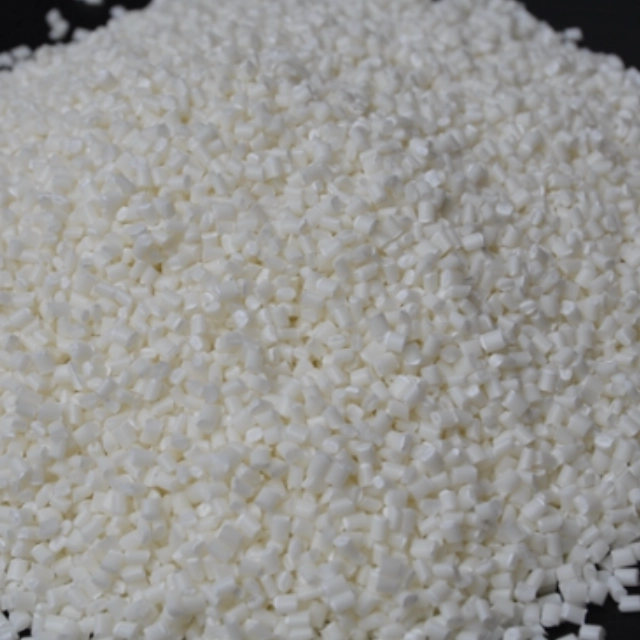
Synthetic raffia, commonly referred to as raffia polypropylene or raffia PP, is made from polypropylene (PP), a thermoplastic polymer. It starts as polypropylene pellets or granules, which are melted and extruded into thin fibers. These fibers are then twisted, texturized, and woven or braided to mimic the structure of natural raffia. Additives such as UV stabilizers, colorants, and antioxidants are often included to enhance durability, weather resistance, and color retention.
Environmental Impact of Natural vs Synthetic Raffia
Natural raffia is renewable and biodegradable, making it environmentally friendly. However, it requires manual harvesting and processing, which can be labor-intensive. Synthetic raffia polypropylene is derived from fossil fuels, making its production energy-intensive. Still, it offers recyclability and a longer lifespan in demanding applications, reducing frequent replacement waste.
Common Additives in Raffia Polypropylene and Their Roles
UV Stabilizers: Protect fibers from sun damage, extending outdoor life.
Colorants: Provide consistent, vibrant colors.
Antioxidants: Prevent polymer degradation during processing and use.
Fillers: Enhance strength and reduce costs.
These additives improve the performance and appearance of raffia PP products, making them suitable for harsh environments.
How to Identify Raffia Material Types in Products
Natural Raffia: Feels soft, fibrous, and slightly textured; usually earthy tones; may have slight irregularities.
Raffia Polypropylene: Smooth, uniform texture; often shiny; available in bright, consistent colors; lighter weight and more water-resistant.
Checking product labels or supplier information can clarify the material type, especially important for applications requiring specific durability or sustainability features.
Properties and Benefits of Raffia Polypropylene
Durability and Strength Compared to Natural Raffia
Raffia polypropylene (raffia PP) offers superior durability and strength compared to natural raffia fibers. While natural raffia is flexible and tough, it can weaken over time, especially when exposed to moisture or rough handling. In contrast, raffia polypropylene is made from synthetic polypropylene granules, which create fibers that resist tearing, stretching, and abrasion. This makes raffia PP ideal for heavy-duty applications like packaging and construction, where reliability is essential.
Water and Weather Resistance Features
One of the standout benefits of raffia polypropylene is its excellent resistance to water and weather conditions. Unlike natural raffia, which has some natural resin but can degrade if soaked, raffia PP fibers repel moisture and resist UV damage when treated with stabilizers. This resistance extends the material’s lifespan outdoors, making it perfect for agricultural films, tarps, and geotextiles that face sun, rain, and wind.
Cost Efficiency and Versatility in Applications
Raffia polypropylene is cost-effective due to its synthetic origin and mass production from pp raffia granules. It offers a budget-friendly alternative to natural fibers without sacrificing performance. Its versatility allows it to be woven into bags, mats, ropes, and protective covers. Industries benefit from its lightweight nature, ease of manufacture, and ability to be colored or coated for specific uses.
Recyclability and Sustainability Aspects
Though raffia polypropylene is petroleum-based, it is recyclable, which supports sustainability efforts when managed properly. Recycled pp raffia granules manufacturers process used raffia PP materials into new pellets, reducing waste and conserving resources. This recyclability contrasts with natural raffia’s biodegradability but limited industrial reuse. Choosing recycled raffia PP helps companies lower environmental impact and comply with green regulations.
Performance in Packaging, Agriculture, and Construction
Raffia polypropylene excels in multiple industries. In packaging, it forms strong woven sacks for grains, seeds, and fertilizers. Agriculture uses include bale wraps, mulch films, and shade nets that protect crops and soil. In construction, raffia PP geotextiles stabilize soil and prevent erosion. Its durability and resistance make it a reliable choice for outdoor and industrial applications where natural raffia may fall short.
Manufacturing Process of Raffia Polypropylene
Raw Material Preparation: Polypropylene Pellets
The manufacturing of raffia polypropylene begins with high-quality polypropylene pellets, also known as pp raffia granules. These small, uniform pellets serve as the raw material. Before production, they undergo inspection to ensure purity and consistency. The pellets are then fed into an extruder, where they will be melted and transformed into fibers. Using carefully selected granules guarantees the final raffia PP product meets strength and durability requirements.
Extrusion and Fiber Formation
Once the polypropylene pellets are loaded, the extrusion process starts. The pellets melt inside the extruder at controlled temperatures, typically between 200°C and 250°C. The molten polymer is forced through spinnerets—tiny holes that shape the material into continuous filaments. As these filaments exit, they cool and solidify into long, thin fibers. This step is crucial for controlling fiber thickness and uniformity, which directly affects the quality of the raffia polypropylene.
Twisting, Texturizing, and Winding Techniques
After extrusion, the fibers undergo twisting and texturizing. Twisting bundles the filaments together, enhancing strength and creating the characteristic raffia structure. Texturizing adds bulk and flexibility, making the fibers easier to handle and weave. These processes also improve the fibers’ resistance to abrasion and stretching. The finished fibers are then wound onto large spools, preparing them for the next phase of manufacturing.
Weaving and Braiding Methods for Raffia Polypropylene
The raffia polypropylene fibers are woven or braided to form various products. Weaving interlaces the fibers at right angles, producing a sturdy, fabric-like material ideal for bags, mats, and geotextiles. Braiding, on the other hand, twists the fibers into ropes or twines, providing flexibility and tensile strength for industrial uses. Both methods ensure the final product is strong, durable, and suitable for demanding applications.
Finishing Processes: Coating, Coloring, and UV Stabilizers
To enhance performance, raffia PP products often receive finishing treatments. Coatings improve water resistance and durability, protecting the material from wear and environmental exposure. Coloring is applied during or after fiber formation to achieve consistent, vibrant hues tailored to customer needs. UV stabilizers are added to prevent degradation from sunlight, extending the lifespan of outdoor products. These finishing touches optimize the raffia polypropylene for diverse industrial and commercial uses.
Applications of Raffia Polypropylene in Various Industries
Packaging Solutions: Woven Bags and Sacks
Raffia polypropylene (raffia PP) is widely used in packaging due to its strength and lightweight nature. Woven bags and sacks made from raffia PP provide excellent durability for storing and transporting goods like grains, seeds, fertilizers, and cement. These bags resist tearing and moisture, keeping contents safe during handling and shipping. Their cost efficiency makes them a popular choice in agriculture and retail packaging sectors.
Agricultural Uses: Bale Wraps, Mulch Films, and Nets
In agriculture, raffia polypropylene plays a vital role. Bale wraps made from raffia PP secure hay and straw bales, protecting them from weather damage. Mulch films woven from raffia PP help retain soil moisture, suppress weeds, and regulate temperature, boosting crop yields. Additionally, nets and shade cloths made of raffia PP safeguard plants from pests and excessive sunlight, enhancing growth conditions. The material’s resistance to UV rays and moisture ensures these products last through the growing season.
Construction and Geotextile Applications
Raffia polypropylene is essential in construction for geotextile fabrics used in soil stabilization, erosion control, and drainage systems. Its durability and strength help reinforce soil, prevent landslides, and improve water flow in civil engineering projects. Raffia PP’s ability to withstand harsh environmental conditions makes it ideal for these demanding applications. It also serves as a base for protective covers and mesh reinforcements in building sites.
Outdoor Products: Tarps, Mats, and Protective Covers
Thanks to its weather resistance, raffia polypropylene is perfect for outdoor products like tarps, mats, and protective covers. These items shield equipment, crops, and stored materials from rain, sun, and wind. Outdoor mats made from raffia PP are durable, easy to clean, and suitable for events or entrances exposed to the elements. The material’s UV stabilizers extend product lifespan, reducing replacement frequency and costs.
Ropes, Twines, and Industrial Uses
Raffia polypropylene fibers are twisted or braided into ropes and twines used in various industrial and agricultural tasks. These ropes are strong, lightweight, and resistant to moisture and abrasion, making them suitable for binding, lifting, and securing loads. Their flexibility and tensile strength offer advantages over natural fiber ropes, especially in wet or harsh environments. Industries rely on raffia PP ropes for reliable performance and longevity.
Comparing Raffia Polypropylene with Natural Raffia for Crafting and Fashion
Aesthetic and Textural Differences
Natural raffia and raffia polypropylene (raffia PP) differ noticeably in look and feel. Natural raffia has a soft, fibrous texture with slight irregularities, offering an organic, earthy appeal. Its color ranges from pale beige to sandy tones, often changing subtly with dyeing. This natural variation gives handcrafted items a unique charm.In contrast, raffia polypropylene has a smoother, more uniform surface. It can be produced in bright, consistent colors and often has a slight sheen. This synthetic fiber lacks the natural resinous texture of palm leaves but provides a clean, modern finish. For fashion or crafting projects seeking vibrant hues or uniformity, raffia PP is a practical choice.
Flexibility, Pliability, and Durability in Wearables
When it comes to flexibility, natural raffia is pliable and breathable, making it comfortable for wearable items like hats and bags. However, it can lose shape or strength when exposed to moisture for long periods.Raffia polypropylene excels in durability and resistance. It maintains shape under stress, resists water, and endures outdoor conditions better. While less breathable, it offers longer-lasting wearables suitable for heavy use or outdoor fashion accessories.
Environmental Considerations in Fashion Choices
Natural raffia is biodegradable and sourced sustainably from raffia palm leaves, supporting eco-friendly fashion. Its harvesting supports local artisans and preserves traditional craftsmanship. However, it requires more care to prolong lifespan.Raffia polypropylene, although recyclable, is petroleum-based and non-biodegradable. Choosing recycled pp raffia granules manufacturers can reduce environmental impact. For fashion brands, balancing durability with sustainability means considering recycled raffia PP or blending materials thoughtfully.
Cost and Availability Factors
Natural raffia depends on seasonal harvests and artisan labor, which can make it more expensive and less consistent in supply. Raffia PP, manufactured from pp raffia granules, benefits from industrial-scale production, offering lower costs and steady availability.This cost difference influences choices for large-scale fashion production or crafting businesses. Raffia PP provides an economical, scalable option, while natural raffia suits premium, handcrafted markets.
Suitability for Different Crafting Techniques
Natural raffia’s softness and texture make it ideal for intricate hand weaving, braiding, and crochet, favored in artisanal fashion and decor. Its natural resin helps maintain structure in delicate designs.Raffia polypropylene’s uniform fibers suit machine weaving and industrial production. It works well for mass-produced bags, mats, and accessories needing strength and weather resistance. However, it is less suited for fine, detailed handcrafting.
Sustainability and Recycling of Raffia Polypropylene
Challenges in Recycling Raffia Polypropylene
Recycling raffia polypropylene (raffia PP) presents several challenges. The material’s woven or braided structure makes it tough to process. Large pieces can clog or damage recycling equipment, so they often require pre-cutting into smaller segments. Contamination is another issue; dirt, oils, and residues from use must be thoroughly removed to avoid compromising recycled material quality. Additionally, mixed materials or additives like UV stabilizers and colorants can complicate recycling, requiring careful sorting and treatment.
Recycling Process: Collection, Cleaning, Shredding, and Reprocessing
The recycling of raffia polypropylene generally follows these steps:
Collection and Sorting: Used raffia PP products are gathered from industrial waste, packaging, and agricultural sources. Sorting ensures only polypropylene materials are processed, separating out contaminants.
Cleaning: Industrial washers remove dirt, oils, and residues. Drying follows to prevent moisture issues during melting.
Shredding: The woven or braided raffia is shredded into small flakes or pellets, facilitating smooth extrusion.
Extrusion and Pelletizing: Shredded material is melted and extruded into strands, then chopped into recycled pp raffia granules. These granules serve as raw material for new raffia PP products.
Reprocessing: Recycled pellets are blended with virgin polypropylene or additives as needed, then used to manufacture packaging, agricultural films, or construction materials.
Benefits of Using Recycled Raffia Polypropylene
Using recycled raffia PP offers multiple advantages:
Resource Conservation: Reduces dependence on virgin petroleum-based polypropylene.
Waste Reduction: Diverts raffia PP waste from landfills and the environment.
Cost Savings: Lowers raw material expenses for manufacturers.
Sustainability Branding: Supports corporate social responsibility and green initiatives.
Compliance: Helps meet environmental regulations and standards.
Recycled pp raffia granules manufacturers play a key role in delivering high-quality recycled material that matches performance requirements.
Environmental Impact Reduction Strategies
To minimize environmental impact, companies can:
Source recycled pp raffia granules to reduce new plastic production.
Implement efficient collection and sorting systems to improve recycling rates.
Use additives that facilitate recyclability without compromising durability.
Educate users on proper disposal and recycling of raffia PP products.
Invest in research to develop biodegradable or bio-based PP raffia alternatives.
These strategies help balance performance with eco-friendliness.
Future Trends in Sustainable Raffia Materials
The future of raffia polypropylene sustainability includes:
Advanced Recycling Technologies: Improving sorting, cleaning, and processing methods to increase recycled content quality.
Bio-based Polypropylene: Developing PP from renewable sources to reduce carbon footprint.
Hybrid Materials: Combining natural raffia fibers with recycled polypropylene for enhanced sustainability and performance.
Circular Economy Models: Designing products for easier recycling and reuse, closing the material loop.
Industry Collaboration: Partnerships between manufacturers, recyclers, and brands to promote sustainable raffia PP supply chains.
These trends aim to make raffia polypropylene an even greener choice across industries.
Conclusion
Raffia material comes from natural palm leaves or synthetic polypropylene fibers. Choosing between them depends on durability, cost, and environmental impact. Natural raffia offers eco-friendliness and traditional appeal, while raffia polypropylene provides strength and weather resistance. Balancing these factors helps consumers and industries make informed choices for their needs. Gansu Longchang Petrochemical Group Co., Ltd. delivers high-quality raffia polypropylene products that combine durability with sustainability, supporting diverse industrial applications efficiently.
FAQ
Q: What is raffia polypropylene made of?
A: Raffia polypropylene, or raffia PP, is made from polypropylene pellets known as pp raffia granules. These granules are melted and extruded into fibers that mimic natural raffia’s structure.
Q: How does raffia polypropylene differ from natural raffia?
A: Raffia polypropylene is synthetic, made from plastic granules, offering greater durability and water resistance than natural raffia, which comes from palm leaves.
Q: What are common uses of raffia polypropylene?
A: Raffia PP is used in packaging, agriculture, construction, and outdoor products due to its strength, weather resistance, and cost efficiency.
Q: Can raffia polypropylene be recycled?
A: Yes, recycled pp raffia granules manufacturers process used raffia PP into new pellets, supporting sustainability and reducing environmental impact.
Q: Why choose raffia polypropylene over natural raffia?
A: Raffia polypropylene provides longer lifespan, uniform color, and better resistance to moisture and UV, making it ideal for industrial applications.


