Have you ever wondered what makes durable packaging and agricultural products? PP Raffia Granules are the secret behind many strong materials. These granules are made from polypropylene, offering strength and flexibility. In this post, you’ll learn what PP Raffia Granules are, their key properties, and why they are vital in manufacturing.
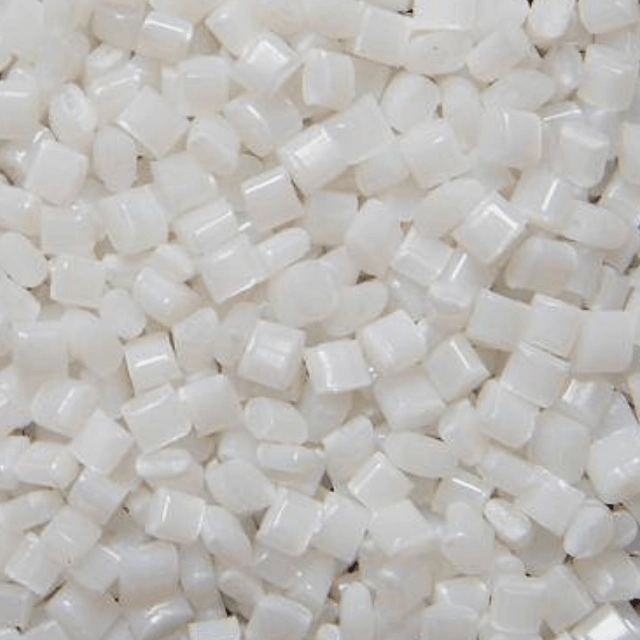
Primary Uses of PP Raffia Granules in Industry
PP raffia granules are a versatile raw material widely used across various industries due to their unique combination of strength, durability, and processability. Understanding the key applications of these granules helps businesses leverage their benefits effectively.
Role in the Production of Woven Packaging Materials
One of the most prominent uses of PP raffia granules is in manufacturing woven packaging materials. These granules are processed into fibers that are woven into sacks, bags, and ton bags. Their high tensile strength and toughness make these woven products ideal for carrying heavy loads such as grains, cement, fertilizers, and other bulk materials. Additionally, the granules’ low shrinkage and UV resistance extend the outdoor lifespan of packaging, often up to 3-5 years, making them reliable for long-term storage and transport.
Use in Fiber Spinning for Multifilament Yarns and Non-Wovens
PP raffia granules are excellent for fiber spinning, producing multifilament yarns and non-woven fabrics. Their uniformity and spinnability ensure smooth extrusion and drawing processes, resulting in fine fibers that mimic natural raffia. These fibers are used in textiles, including carpets, mats, and agricultural coverings. The non-wovens made from these granules find applications in hygiene products, filtration media, and geotextiles.
Application in Injection Molding and Extrusion Processes
Beyond fiber production, PP raffia granules serve as raw materials in injection molding and extrusion. These processes create household items, decorative plastic products, and industrial components. The granules’ thermal stability and toughness allow manufacturers to produce durable goods like plastic chairs, containers, and molded parts with consistent quality.
Manufacturing of Household and Decorative Plastic Items
Colored PP raffia granules, such as purple and green variants, are often used in household and decorative products. Their ease of processing and good compressibility make them suitable for items like garden furniture, decorative baskets, and plastic pets. These applications benefit from the granules' environmental safety and recyclability.
Utilization in Construction Materials Such as Geotextiles
In construction, PP raffia granules are transformed into geotextiles and reinforcement fabrics. These materials are essential for soil stabilization, erosion control, and drainage systems. Their puncture resistance and dimensional stability ensure long-lasting performance under harsh conditions.
Employment in Agricultural Products Like Bale Wraps and Nets
Agriculture benefits from PP raffia granules in products such as bale wraps, bird-proof nets, and shade cloths. The granules' resistance to moisture, UV radiation, and chemicals helps protect crops and stored materials. Their lightweight nature also facilitates easy handling in farming operations.
Use in Automotive Interior Components and Logistics Carriers
In the automotive sector, mineral-filled PP raffia granules are used to manufacture interior parts like door panel frames and seat back panels. Their high bending modulus and lightweight properties improve vehicle efficiency. Additionally, logistics carriers such as foldable pallets utilize these granules for their strength and resistance to low temperatures, making them ideal for cold chain logistics.
Features of PP Raffia Granules That Enhance Their Uses
PP raffia granules possess several distinctive features that make them highly suitable for diverse industrial and agricultural applications. These properties not only improve product performance but also contribute to cost-efficiency and sustainability.
High Tensile Strength and Toughness for Durable Products
One of the most critical features of PP raffia granules is their high tensile strength, typically ranging between 35 to 50 MPa. This strength results from the molecular chains being highly oriented through directional stretching during manufacturing. The toughness ensures that products like woven sacks, ropes, and geotextiles withstand heavy loads and rough handling without tearing or breaking. This durability is essential for packaging applications, where materials must endure transportation stresses and environmental exposure.
Thermal Stability and Low Shrinkage for Outdoor Applications
PP raffia granules exhibit excellent thermal stability with low shrinkage rates, usually controlled below 1.5%. This property ensures dimensional stability even under high-temperature conditions. As a result, products made from these granules maintain their shape and functionality when exposed to sunlight or heat, making them ideal for outdoor uses such as agricultural covers, construction geotextiles, and packaging bags. Additionally, the incorporation of nucleating agents and modifiers further enhances this stability.
Excellent Spinnability for Fiber and Yarn Production
The melt flow index of PP raffia granules typically falls between 2 to 8 g/10min, balancing fluidity and fiber-forming ability. This excellent spinnability allows manufacturers to produce fine multifilament yarns and non-woven fabrics that imitate natural raffia. The uniformity and smooth extrusion of these granules facilitate high-speed spinning processes, resulting in fibers used in textiles, carpets, and agricultural coverings. Their ability to form consistent, high-quality fibers is a key factor in their widespread use in the textile industry.
Environmental Benefits Including Recyclability and Non-Toxicity
PP raffia granules are environmentally friendly due to their recyclability and non-toxic composition. Made from standard-grade polypropylene, they contain no harmful substances, making them safe for various applications, including food packaging and household items. Moreover, the granules can be recycled multiple times, supporting sustainable manufacturing practices. Some variants even incorporate recycled materials, reducing environmental impact further while maintaining performance standards.
Color Variations and Their Specific Industrial Benefits
PP raffia granules come in various colors such as natural, yellow, brown, red, purple, and green. Each color variant offers unique benefits:
Natural granules: Preferred for packaging due to their elongation and adhesive properties.
Yellow granules: Enhanced compression characteristics and bulk density.
Brown granules: Lightweight and highly durable, ideal for demanding applications.
Red granules: Often made from recycled plastics, featuring flame resistance and moisture protection.
Purple granules: Excellent compressibility, used in household and decorative items.
Green granules: Environmentally friendly, lightweight, and strong, made from recycled materials.
These color options allow manufacturers to tailor products to specific market needs and performance criteria.
Resistance to Moisture, UV Radiation, and Chemicals
PP raffia granules are inherently resistant to moisture, UV radiation, and many chemicals. This resistance extends the lifespan of products exposed to harsh environments, such as agricultural nets, bale wraps, and outdoor packaging. UV stabilizers can be added to further improve weather resistance, allowing products to last 3 to 5 years outdoors. Their chemical resistance also makes them suitable for industrial applications where exposure to oils, acids, or alkalis is common.
Types of PP Raffia Granules and Their Specific Applications
PP raffia granules come in various types, each tailored to meet specific industrial needs. These variations differ in color, composition, and performance features, allowing manufacturers to select the best option for their product requirements. Understanding the distinct properties and applications of each type helps optimize the uses of PP raffia granules across industries.
Natural Raffia Granules and Their Packaging Uses
Natural raffia granules are made from special polypropylene fibers designed for elongation and durability. They often feature a protective coating to resist degradation from air exposure. These granules excel in adhesive properties, providing strong bonding in woven packaging materials. Their primary application lies in manufacturing sacks and bags used for grains, cement, and other bulk goods. The natural color also offers a neutral appearance preferred in food and agricultural packaging.
Yellow Raffia Granules with Enhanced Compression Characteristics
Yellow raffia granules are known for their high shear wet granulation and intracellular porosity. This structure grants them improved bulk density and flowability, essential for compression molding processes. They possess enhanced compression characteristics, making them suitable for products requiring compactness and strength. These granules find applications in packaging where stable bulk density and moisture resistance are critical.
Brown Raffia Granules for High Durability and Lightweight Needs
Brown raffia granules combine high durability with a lightweight profile. They are produced from premium raw materials like plastic and propylene, ensuring uniform grain size and stiffness under various conditions. Their robustness makes them ideal for demanding applications such as heavy-duty sacks and agricultural nets. The lightweight nature also benefits transportation and handling efficiency.
Red Raffia Granules Made from Recycled Materials with Flame Resistance
Red raffia granules are typically manufactured using recycled plastics, contributing to environmental sustainability. Despite their recycled origin, they offer excellent flame resistance and moisture protection. The uniform granule size supports consistent processing in extrusion and molding. These granules are widely used in applications where fire safety is a concern, including industrial packaging and certain automotive components.
Purple Raffia Granules Used in Household Decor and Molded Products
Purple raffia granules stand out for their compressibility and ease of processing. Their vibrant color and good mechanical properties make them suitable for household decorative items such as garden furniture, plastic pets, and molded containers. They are favored in products where aesthetic appeal and environmental safety are important.
Green Raffia Granules Featuring Environmentally Friendly Properties
Green raffia granules are often produced from recycled materials, emphasizing eco-friendliness. They are lightweight and strong, with fine finishes and intermolecular porosity that enhance durability. These granules are used in applications requiring sustainable materials without compromising performance, such as eco-conscious packaging and agricultural products.
Manufacturing Process of PP Raffia Granules
The manufacturing process of PP raffia granules is a critical step that defines the quality and performance of the final products. It involves several precise stages, from raw material selection to finishing treatments, ensuring the granules meet the necessary properties for diverse applications such as packaging, textiles, and agriculture.
Raw Material Selection and Pellet Preparation
The process begins with selecting high-quality polypropylene resins. These raw materials are chosen based on their melt flow index, tensile strength, and thermal stability to suit the intended uses of the PP raffia granules. Additives like UV stabilizers, antioxidants, and colorants are blended with the polypropylene to enhance durability and appearance. The mixture is then melted and extruded into strands, which are cooled and cut into uniform pellets or granules. This preparation ensures consistent size and composition, vital for smooth processing in downstream applications.
Extrusion and Fiber Formation Techniques
Next, the prepared granules undergo extrusion to form fibers. During extrusion, the granules are heated to a molten state and passed through spinnerets that shape them into fine filaments. These filaments are then rapidly cooled to solidify the fibers. The extrusion parameters, such as temperature and speed, are carefully controlled to optimize fiber strength and spinnability. This stage is crucial for producing multifilament yarns and non-woven fabrics used in the textile industry and packaging materials.
Twisting, Texturizing, and Winding Processes
After extrusion, the fibers are twisted and texturized to mimic the natural raffia structure. Twisting aligns the molecular chains, increasing tensile strength and flexibility. Texturizing adds bulk and elasticity, improving handling and weaving characteristics. The fibers are then wound onto spools or bobbins, ready for weaving or braiding into various products like sacks, nets, and decorative items. This process enhances the mechanical properties of the fibers, making them suitable for demanding industrial and agricultural applications.
Final Finishing Treatments Including Coloring and UV Stabilization
The final stage involves finishing treatments that improve the granules' performance and aesthetic appeal. Coloring agents are added to produce granules in various hues such as natural, yellow, brown, red, purple, and green, each tailored for specific uses. UV stabilizers are incorporated to protect the fibers from degradation caused by sunlight exposure, extending the lifespan of outdoor products. Additional coatings may enhance moisture resistance and flame retardance, depending on application requirements. These finishing touches ensure that PP raffia granules deliver consistent quality and durability across their wide range of applications.
Recycling and Sustainability of PP Raffia Granules
Recycling and sustainability play a vital role in the lifecycle of PP raffia granules. As industries increasingly focus on environmental responsibility, understanding how to recycle and reuse these granules is essential for reducing waste and promoting a circular economy.
Importance of Recycling PP Raffia Granules for Environmental Impact
PP raffia granules are widely used in packaging, agriculture, and construction, generating significant post-consumer and industrial waste. Recycling these granules helps reduce landfill accumulation and lowers the demand for virgin polypropylene. Since PP raffia is non-toxic and recyclable, reprocessing it supports sustainable manufacturing and decreases the carbon footprint of products made from polypropylene raffia.
Steps Involved in Collecting, Sorting, and Cleaning Waste Material
The recycling process begins with collecting used PP raffia materials from packaging waste, agricultural films, and industrial scraps. Sorting is crucial to separate polypropylene from other plastics and contaminants like dirt, adhesives, or foreign materials. After sorting, the material undergoes thorough cleaning using industrial washers to remove residues and oils. Proper drying follows to prevent moisture interference during recycling.
Shredding and Pelletizing for Reuse in Manufacturing
Cleaned PP raffia waste is shredded or ground into smaller flakes or granules. This step breaks down the woven or braided structure, facilitating easier melting and extrusion. The shredded polypropylene is then melted and extruded into strands, which are cut into recycled pellets. These recycled PP raffia granules can be blended with virgin material or used alone in manufacturing new products such as woven sacks, ropes, or molded components.
Challenges and Solutions in Recycling PP Raffia
Recycling PP raffia presents challenges due to its tough, woven structure and potential contamination. Large pieces can jam recycling equipment, so pre-cutting or shredding is necessary. Contamination from dirt or other polymers reduces recycled material quality. Advanced sorting technologies and washing systems help mitigate these issues. Additionally, the mechanical properties of polypropylene degrade slightly with each recycling cycle, so blending recycled granules with virgin resin maintains product performance.
Benefits of Recycled PP Raffia in Cost and Sustainability
Using recycled PP raffia granules lowers raw material costs and reduces environmental impact. Manufacturers save on purchasing virgin polypropylene while contributing to waste reduction. Recycled granules retain many key properties like tensile strength and chemical resistance, making them suitable for various applications. Incorporating recycled content also aligns with growing regulatory requirements and consumer demand for eco-friendly products.
Comparative Advantages of Using PP Raffia Granules
PP raffia granules offer several notable advantages that make them a preferred raw material across industries. Their unique combination of mechanical properties, cost-effectiveness, and versatility enhances product quality while optimizing manufacturing efficiency.
Cost Efficiency Compared to Alternative Materials
One of the primary benefits of PP raffia granules is their cost efficiency. Compared to other polymers or natural fibers, polypropylene granules are relatively inexpensive due to the widespread availability of raw materials and established production processes. This affordability allows manufacturers to produce high-strength woven sacks, packaging materials, and agricultural products at competitive prices without compromising durability. Additionally, the recyclability of PP raffia granules further reduces raw material costs by enabling the reuse of post-consumer and industrial waste.
Mechanical and Chemical Resistance Benefits
PP raffia granules possess excellent mechanical strength, including high tensile strength (up to 50 MPa) and toughness. This ensures that products like woven sacks, ropes, and geotextiles withstand heavy loads, abrasion, and rough handling. The granules also exhibit strong resistance to chemicals, moisture, and UV radiation, which protects products from degradation in outdoor or harsh industrial environments. This chemical stability extends the lifespan of items such as agricultural nets, bale wraps, and packaging films, making them reliable for long-term use.
Lightweight Nature Improving Handling and Transport
The low density of PP raffia granules (approximately 0.90 to 0.91 g/cm³) results in lightweight finished products. This characteristic simplifies handling, reduces transportation costs, and improves ergonomics for workers. Lightweight sacks and packaging materials are easier to stack and ship, which benefits supply chains and logistics operations. In automotive and construction applications, the lightweight nature also contributes to fuel efficiency and structural flexibility without sacrificing strength.
Suitability for Diverse Industrial and Agricultural Applications
Due to their balanced properties, PP raffia granules are suitable for a broad range of applications. They serve as raw materials in the textile industry for producing multifilament yarns and non-wovens, in packaging for woven bags and sacks, and in agriculture for nets, bale wraps, and shade cloths. Their adaptability extends to injection molding and extrusion processes, creating household items, automotive interior parts, and construction materials like geotextiles. This versatility enables manufacturers to meet varied market demands using a single, reliable raw material.
Conclusion
PP raffia granules are essential in packaging, textiles, agriculture, and construction due to their strength and durability. They offer excellent mechanical resistance, lightweight properties, and versatility for various industrial uses. Future trends focus on enhancing sustainability through recycling and eco-friendly production. Emphasizing responsible manufacturing, these granules support long-lasting, cost-effective solutions. Gansu Longchang Petrochemical Group Co., Ltd. provides high-quality PP raffia granules that deliver reliable performance and promote sustainable industry practices.
FAQ
Q: What are the primary uses of PP Raffia Granules?
A: PP Raffia Granules are mainly used to produce woven packaging materials like sacks and bags, multifilament yarns for textiles, geotextiles for construction, agricultural products such as bale wraps and nets, and injection molded household and automotive items.
Q: How do the properties of PP Raffia Granules benefit packaging applications?
A: Their high tensile strength, UV resistance, and low shrinkage make PP Raffia Granules ideal for durable, long-lasting packaging materials that can withstand heavy loads and outdoor conditions.
Q: Can recycled PP Raffia Granules be used effectively?
A: Yes, recycled PP Raffia Granules maintain key mechanical and chemical resistance properties, making them cost-effective and sustainable for manufacturing woven sacks, ropes, and other industrial products.
Q: What is the role of PP Raffia Granules in the textile industry?
A: PP Raffia Granules are used to spin multifilament yarns and non-woven fabrics, producing fibers for carpets, mats, and agricultural coverings due to their excellent spinnability and uniformity.
Q: How does the manufacturing process affect the applications of PP Raffia Granules?
A: The process including raw material selection, extrusion, twisting, and finishing treatments like coloring and UV stabilization tailors PP Raffia Granules’ properties to suit specific uses in packaging, agriculture, and decorative products.


