Have you ever wondered what makes strong, lightweight packaging possible? PP Raffia is a key material behind many everyday products. Understanding PP Raffia reveals why it’s vital in industries like agriculture and construction. In this post, you’ll learn what PP Raffia is, its origins, and why it matters so much today.
What Is PP Raffia? A Comprehensive Explanation
Chemical Composition and Material Source
PP raffia is made from polypropylene, a type of thermoplastic polymer derived primarily from petroleum. This material is favored for its balance of strength, flexibility, and lightweight nature. Polypropylene is polymerized into long chains, which are then processed into raffia fibers. Sometimes, additives such as UV stabilizers, antioxidants, and colorants are mixed in to enhance performance and durability, especially for outdoor applications.
Manufacturing Process Overview
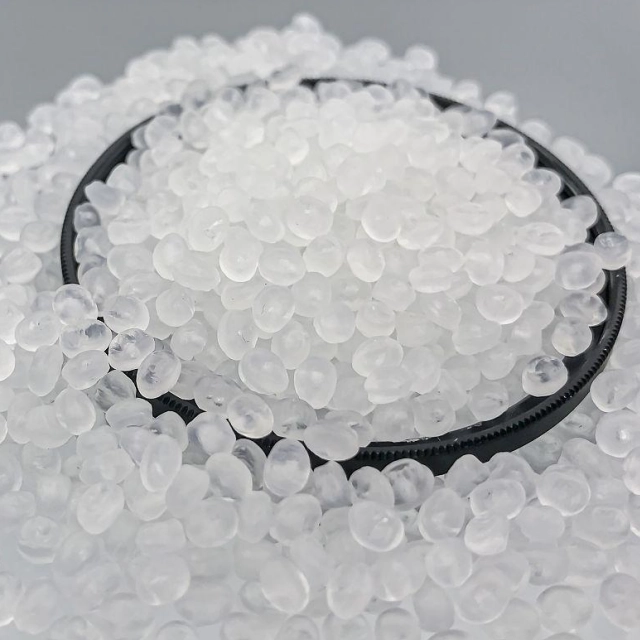
The production of polypropylene raffia begins with pp raffia granules or pellets. These granules are melted and extruded through spinnerets to form continuous filaments. The filaments are then stretched, twisted, and texturized to create the characteristic raffia-like fibers. Afterward, these fibers are woven or braided into sheets or ropes, depending on the end use. The process might include coating or finishing steps to improve water resistance and UV protection.
Physical and Mechanical Characteristics
PP raffia exhibits excellent tensile strength and durability while maintaining a low density. It resists moisture, chemicals, and UV radiation, making it ideal for outdoor and heavy-duty applications. Its mechanical properties allow it to withstand stress and wear without tearing easily. Compared to other materials, it offers a strong yet flexible structure, which is why it’s widely used in packaging and agricultural industries.
Comparison with Natural Raffia and Other Synthetic Fibers
Unlike natural raffia, which comes from the leaves of the raffia palm, PP raffia is synthetic and offers superior durability and consistent quality. Natural raffia is biodegradable but less resistant to moisture and UV exposure. Compared to other synthetic fibers like HDPE raffia, polypropylene raffia generally provides better flexibility and cost efficiency. Marlex PP raffia, a specific grade of polypropylene, is known for enhanced mechanical properties and is preferred in demanding industrial uses.
Common Forms and Grades of PP Raffia
PP raffia is available in various forms, including woven fabrics, braided ropes, and granules. The pp raffia granules are raw materials used for extrusion and molding. Grades vary based on molecular weight, additives, and intended use. For instance, some grades are optimized for packaging, while others are tailored for agricultural or construction applications. The pp raffia price can fluctuate depending on grade, quality, and market demand.
Key Advantages Over Alternative Materials
Cost-effectiveness: PP raffia is generally more affordable than natural fibers and some synthetic alternatives.
Durability: It resists tearing, moisture, and UV rays better than many competitors.
Lightweight: Easier to handle and transport.
Versatility: Suitable for packaging, agriculture, construction, and more.
Recyclability: Can be recycled into new products, reducing waste.
Environmental Impact and Sustainability Considerations
While PP raffia is not biodegradable, its recyclability helps reduce environmental impact. Recycling pp raffia granules preserves resources and supports circular economy principles. However, the production process is energy-intensive and relies on fossil fuels, which contributes to its carbon footprint. Advances in additives and recycling technologies aim to improve sustainability, making polypropylene raffia a more eco-friendly choice over time.
Properties of PP Raffia That Define Its Utility
Durability and Strength Metrics
PP raffia is renowned for its impressive durability and high tensile strength. Thanks to its polypropylene base, it withstands heavy loads and resists tearing better than many other packaging materials. This strength makes it ideal for bags, sacks, and ropes that must endure rough handling. For example, woven PP raffia bags can carry large quantities of grains or construction materials without breaking. The material’s robust fiber structure ensures long-lasting performance, even under stress.
Lightweight and Low Density Benefits
One standout property of PP raffia is its lightweight nature. Polypropylene has a low density compared to metals or natural fibers, making products easier to handle and transport. This advantage reduces shipping costs and simplifies logistics in industries like agriculture and construction. Despite being light, PP raffia maintains excellent strength, providing an efficient balance between weight and durability.
Resistance to Weather, Chemicals, and UV Exposure
PP raffia resists moisture, many chemicals, and UV radiation, which extends its usability outdoors. It does not absorb water, preventing mold and rot, unlike natural fibers. This resistance also protects it from degradation caused by sunlight and harsh weather. When UV stabilizers are added during production, PP raffia’s lifespan outdoors can increase from 1-2 years up to 3-5 years, making it suitable for tarps, agricultural films, and geotextiles.
Cost-Effectiveness Compared to Other Materials
Compared to alternatives like HDPE raffia or natural raffia, PP raffia often offers better cost efficiency. Its raw materials and production processes keep the pp raffia price competitive, especially when purchased in bulk. The balance of durability, strength, and affordability makes it a preferred choice for manufacturers seeking value without compromising quality.
Recyclability and Environmental Benefits
While PP raffia is not biodegradable, it is recyclable, which helps reduce environmental impact. Recycling pp raffia granules supports a circular economy by reusing materials and conserving resources. This recyclability sets it apart from some synthetic materials that are harder to recycle. Proper recycling practices minimize waste and lower the carbon footprint associated with polypropylene production.
Versatility Across Different Applications
PP raffia’s properties make it highly versatile. It’s used in packaging (bags and sacks), agriculture (mulch films, bale wraps), construction (geotextiles, protective covers), and rope manufacturing. Its adaptability to various forms—woven fabrics, braided ropes, or granules—allows it to meet diverse industrial needs efficiently. This versatility, combined with its strength and resistance, broadens its scope across many sectors.
Detailed PP Raffia Production Process
Pellet Preparation and Feeding
The production of PP raffia starts with pp raffia granules, which are small, uniform pellets made of polypropylene. These granules serve as the raw material. They are carefully prepared and fed into the extruder hopper. The feeding process ensures a steady and controlled supply of granules for melting. Temperature settings in the extruder range from about 200°C to 250°C, depending on the specific grade, such as Marlex PP raffia, to achieve optimal melting without degrading the polymer.
Extrusion and Fiber Formation
Once melted, the polypropylene flows through a spinneret, which shapes the molten polymer into thin, continuous filaments. These filaments cool and solidify rapidly. The extrusion aligns the polymer molecules, which is crucial for enhancing the fibers’ strength and flexibility. This stage transforms pp raffia granules into long, fine fibers ready for further processing.
Twisting, Texturizing, and Drawing Techniques
The continuous filaments are then twisted and texturized to mimic the natural structure of raffia fibers. Twisting increases the fiber’s tensile strength and durability, while texturizing adds bulk and improves flexibility. Drawing, or stretching, further aligns the polymer chains, enhancing mechanical properties like tensile strength and impact resistance. These techniques adapt the fibers to their final use, whether woven into fabric or braided into ropes.
Winding and Spooling Methods
After texturizing, the fibers are wound onto large spools or bobbins. This winding process prepares the fibers for weaving or braiding. Proper tension control during winding is vital to prevent fiber damage and maintain uniformity. Spooling also facilitates easy handling during the next manufacturing stages.
Weaving and Braiding into Final Products
The spooled fibers are woven or braided depending on the intended application. Weaving interlaces the fibers to form flat, fabric-like sheets commonly used for bags and sacks. Braiding creates round or tubular structures suitable for ropes and twines. Both methods contribute to the high strength and durability of PP raffia products.
Finishing Touches: Coatings, Coloring, and UV Stabilizers
Finally, the woven or braided PP raffia undergoes finishing treatments. Coatings may be applied to improve water resistance and abrasion protection. Coloring agents add aesthetic appeal and product differentiation. UV stabilizers are incorporated to enhance resistance against sunlight degradation, extending the lifespan of outdoor products. These finishing touches tailor the material’s performance to specific industrial needs, balancing cost and durability.
Primary Applications of PP Raffia Across Industries
Packaging Solutions: Bags and Sacks
PP raffia is widely used in packaging, especially for manufacturing woven bags and sacks. These bags are lightweight yet strong, making them perfect for carrying heavy loads such as grains, rice, seeds, fertilizers, and cement. Their durability ensures protection against tearing and moisture, which is essential for safe storage and transport. Because of its cost-effectiveness and resilience, many industries prefer polypropylene raffia bags over alternatives like paper or jute. The flexibility of PP raffia allows bags to be produced in various sizes and thicknesses, catering to different packaging needs.
Agricultural Uses: Bale Wraps, Mulch Films, and Nets
In agriculture, PP raffia serves multiple purposes. It is commonly used to produce bale wraps, which protect hay and straw bales from weather damage. Mulch films made from PP raffia help retain soil moisture, suppress weed growth, and regulate soil temperature, boosting crop yields. Additionally, polypropylene raffia nets and shade cloths protect plants from pests and excessive sunlight. These applications benefit from the material’s resistance to UV radiation and moisture, ensuring long-lasting performance in harsh outdoor environments.
Construction Industry: Geotextiles and Protective Covers
The construction sector uses PP raffia in geotextiles, which stabilize soil, improve drainage, and control erosion. These woven fabrics reinforce foundations and embankments, enhancing structural integrity. Protective covers made from PP raffia shield building materials and equipment from dust, rain, and UV damage. Its lightweight nature makes handling and installation easier on construction sites. The material’s chemical resistance also ensures durability when exposed to various construction chemicals.
Manufacture of Ropes and Twines
PP raffia fibers are twisted and braided to produce ropes and twines used in gardening, packaging, and industrial applications. These ropes are valued for their high tensile strength, flexibility, and resistance to abrasion. They can withstand heavy loads and harsh weather without losing integrity. Compared to natural fiber ropes, polypropylene raffia ropes last longer and require less maintenance, making them a cost-effective choice for many users.
Outdoor Products: Tarps, Mats, and Protective Sheets
Thanks to its moisture resistance and UV stability, PP raffia is ideal for outdoor products such as tarps, mats, and protective sheets. These products are used in farming, outdoor events, and storage to provide shelter and protection. Woven PP raffia mats are durable and easy to clean, suitable for high-traffic areas. Tarps made from this material protect goods from rain and sun, extending their usable life. The ability to add coatings and UV stabilizers during production further enhances these products’ durability.
Recycling and Sustainability of PP Raffia
Importance of Recycling PP Raffia
Recycling PP raffia is crucial for reducing environmental impact and conserving resources. Since polypropylene raffia is widely used in packaging, agriculture, and construction, large quantities of waste can accumulate if not properly managed. Recycling helps divert this waste from landfills, lowers the demand for virgin polypropylene, and supports sustainable manufacturing practices. Additionally, recycled PP raffia granules can be reprocessed into new products, creating economic value and reducing raw material costs.
Collection and Sorting Procedures
Effective recycling starts with collecting used PP raffia products from industrial waste, post-consumer packaging, and agricultural remnants. Sorting is essential to separate polypropylene raffia from other plastics and contaminants such as dirt, paper, or metals. This step ensures that only clean, high-quality material enters the recycling stream. Automated sorting technologies or manual inspection can be used depending on the scale of operations.
Cleaning and Preprocessing Techniques
After sorting, the PP raffia waste undergoes thorough cleaning. Industrial washers remove dirt, oils, and residues that could degrade the quality of recycled material. Drying follows to eliminate moisture, which can interfere with melting and extrusion processes. Proper cleaning ensures that recycled granules maintain consistent properties for reuse in manufacturing.
Shredding and Pelletizing for Reuse
The cleaned PP raffia is shredded or ground into smaller flakes or fragments. This size reduction facilitates melting and extrusion. The shredded material is then melted and extruded into strands, which are chopped into pp raffia granules or pellets. These recycled granules serve as raw materials for producing new PP raffia products or other polypropylene-based items.
Challenges in Recycling and Material Degradation
Recycling PP raffia presents some challenges. The strong, woven structure can be tough to shred, requiring specialized equipment. Contaminants or mixed materials can reduce recycling efficiency. Moreover, polypropylene tends to degrade slightly each recycling cycle, losing some mechanical properties. This degradation limits the number of times PP raffia can be recycled back into high-grade products. Often, recycled material is used for lower-grade applications.
End-Uses of Recycled PP Raffia Products
Recycled PP raffia granules find applications in manufacturing items like packaging films, containers, and construction materials. Some recycled content is blended with virgin polypropylene to balance performance and cost. Using recycled material contributes to lowering the overall environmental footprint of polypropylene products.
Role in Promoting Circular Economy
Recycling PP raffia supports a circular economy by keeping materials in use longer and reducing waste. It helps manufacturers meet sustainability goals and comply with environmental regulations. By closing the loop, companies can reduce dependence on fossil fuels and lower greenhouse gas emissions associated with producing virgin polypropylene. This sustainable approach benefits industries and the planet alike.
Frequently Asked Questions About PP Raffia
What Exactly Is PP Raffia Made Of?
PP raffia is primarily made from polypropylene, a thermoplastic polymer derived from petroleum. It consists of long chains of polypropylene molecules formed into fibers. These fibers may include additives such as UV stabilizers, antioxidants, and colorants to improve durability, weather resistance, and appearance. The raw material often starts as pp raffia granules, which are melted and extruded into fibers during manufacturing. This synthetic nature gives PP raffia its strength, flexibility, and moisture resistance.
How Does PP Raffia Compare in Strength to Other Packaging Materials?
PP raffia is known for its impressive tensile strength compared to many packaging materials. Its woven structure creates a tough mesh that resists tearing and punctures. For example, bags made from polypropylene raffia are stronger and more durable than paper or jute bags. Compared to HDPE raffia, PP raffia tends to offer better flexibility and cost efficiency, although HDPE may provide higher chemical resistance. The specific grade, like Marlex PP raffia, can further enhance strength for demanding uses. This strength makes PP raffia ideal for heavy-duty packaging, ropes, and agricultural applications.
Is PP Raffia Environmentally Friendly and Fully Recyclable?
While PP raffia is not biodegradable, it is recyclable, which contributes positively to environmental sustainability. Recycling pp raffia granules reduces waste and lowers demand for virgin polypropylene, supporting a circular economy. However, the production process consumes significant energy and relies on fossil fuels, impacting its carbon footprint. Proper recycling and reuse help mitigate these effects. Still, PP raffia’s environmental friendliness depends on responsible disposal and recycling practices, as improper waste management can cause pollution.
What Is the Typical Lifespan of PP Raffia in Outdoor Conditions?
PP raffia products typically last 1 to 2 years when exposed to direct sunlight and outdoor weather. This lifespan can be extended to 3 to 5 years if UV stabilizers are added during production. These additives protect the fibers from degradation caused by ultraviolet radiation. The material’s natural resistance to moisture and chemicals also helps maintain its integrity outdoors. However, harsh environments or mechanical wear can reduce its lifespan. Selecting the right grade and additives is crucial for maximizing durability in specific outdoor applications.
Can PP Raffia Be Customized for Specific Industrial Needs?
Yes, PP raffia can be customized extensively to meet various industrial requirements. Manufacturers adjust the polymer grade, fiber thickness, weaving patterns, and additives like UV stabilizers or colorants. For instance, pp raffia granules can be formulated with different molecular weights or fillers to enhance strength or flexibility. Custom colors and coatings can improve product appeal and functionality. This adaptability allows PP raffia to serve diverse sectors such as packaging, agriculture, construction, and outdoor products efficiently.
Conclusion
PP raffia offers strength, durability, and versatility across packaging, agriculture, and construction industries. Its lightweight nature and resistance to moisture and UV make it ideal for outdoor use. Advances in additives improve its performance and lifespan, meeting diverse industrial needs. Recycling PP raffia supports sustainability by reducing waste and conserving resources. Choosing PP raffia ensures cost-effective, reliable solutions with environmental benefits. Gansu Longchang Petrochemical Group Co., Ltd. provides high-quality PP raffia products that deliver exceptional value and support sustainable manufacturing.
FAQ
Q: What is PP Raffia made from?
A: PP raffia is made from polypropylene, a thermoplastic polymer derived from petroleum. It starts as pp raffia granules that are melted and extruded into fibers, often enhanced with additives like UV stabilizers for durability.
Q: What are the common uses of PP Raffia?
A: PP raffia is widely used in packaging bags, agricultural films, ropes, and construction geotextiles due to its strength, flexibility, and resistance to moisture and UV radiation.
Q: How does PP Raffia compare to HDPE Raffia?
A: Polypropylene raffia generally offers better flexibility and cost efficiency than HDPE raffia, though HDPE may have higher chemical resistance. Marlex PP raffia grades enhance mechanical properties further.
Q: Is PP Raffia recyclable and environmentally sustainable?
A: Yes, PP raffia is recyclable through processing into pp raffia granules, supporting a circular economy. However, it is not biodegradable, and its production relies on fossil fuels, affecting sustainability.
Q: What factors affect the price of PP Raffia?
A: The pp raffia price depends on grade quality, additives, market demand, and form (granules, woven fabric, or ropes). Bulk purchases often reduce costs.


