Did you know most snack packages use BOPP film polypropylene? This versatile material combines strength, clarity, and barrier protection. In this post, you’ll learn what BOPP film is, why it matters in packaging, and its unique properties.
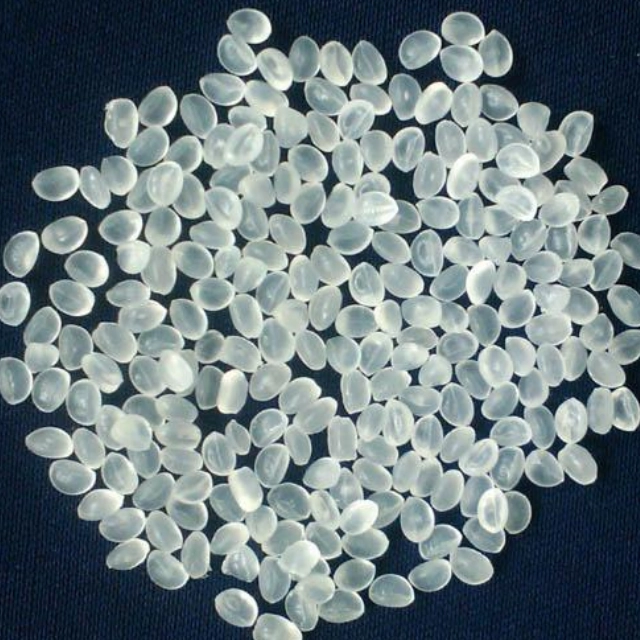
Comprehensive Properties of BOPP Film Polypropylene
BOPP film polypropylene, or biaxially oriented polypropylene bopp, stands out due to a unique set of properties that make it a preferred material in packaging and industrial uses. These properties arise from its biaxial orientation process, which stretches the polypropylene film in both machine and transverse directions, aligning polymer chains for enhanced performance.
Optical Properties: Clarity, Gloss, and Low Haze
One of the most striking features of oriented polypropylene is its exceptional clarity and gloss. BOPP film polypropylene offers a crystal-clear, high-gloss surface that showcases products attractively. Its low haze level ensures minimal cloudiness, allowing consumers to see the product inside clearly. This optical quality is crucial for retail packaging where product visibility influences buying decisions.
Mechanical Strength: Tensile Strength, Stiffness, and Durability
Thanks to biaxial polypropylene orientation, BOPP film exhibits high tensile strength and stiffness. It resists tearing, stretching, and puncturing during handling and transportation. This durability allows the use of thinner films without compromising package integrity, reducing material costs and environmental impact. Additionally, its dimensional stability keeps the film flat and prevents shrinkage under varying temperature and humidity conditions.
Barrier Properties: Moisture, Oxygen, and Aroma Protection
BOPP film polypropylene provides an excellent barrier against moisture vapor, which helps keep products dry and fresh. While its standard oxygen barrier is moderate, metallized or coated variants significantly enhance oxygen and aroma protection. This capability is vital for preserving flavor, aroma, and shelf life in food products like snacks and confectionery.
Chemical and Electrical Resistance
This biaxially oriented polypropylene resists many chemicals, including oils, greases, acids, and alkalis, ensuring the film remains stable in contact with various substances. Its excellent dielectric properties also make it suitable for electrical applications such as capacitor films, highlighting its versatility beyond packaging.
Thermal Stability and Heat Sealability
BOPP films maintain stability across a range of temperatures and can be heat-sealed efficiently. Heat sealable grades enable secure, airtight packaging, compatible with high-speed production lines. This thermal adaptability supports diverse packaging formats, from snack bags to pharmaceutical pouches.
Printability and Surface Treatment for Branding
The smooth surface of BOPP film polypropylene allows for high-quality printing. Surface treatments like corona or flame treatment increase surface energy, improving ink adhesion. This results in vibrant, durable graphics that enhance brand appeal and consumer engagement.
Sustainability and Recyclability Features
BOPP film is recyclable and increasingly produced with sustainability in mind. Its mono-material structure simplifies recycling processes, reducing environmental impact. Lightweight yet strong, it contributes to lower transportation emissions. Many manufacturers now offer bio-based or recycled-content BOPP films, aligning with circular economy goals.
Types and Variants of BOPP Film Polypropylene
BOPP film polypropylene offers a diverse range of types and variants, each tailored to specific applications and performance needs. These variations stem from differences in surface finish, coatings, and treatments. Understanding these types helps industries select the ideal film for packaging, labeling, or industrial use.
Glossy BOPP Film: Features and Applications
Glossy BOPP film is the most common and widely used variant. It features a smooth, shiny surface with excellent clarity and high gloss, making products look vibrant and appealing. This film type is perfect for food packaging, snack wrappers, and labels where product visibility and shelf appeal matter most.
Advantages: Superior printability, moisture resistance, and scratch protection.
Common Uses: Snack bags, confectionery wrappers, clear overwraps.
Matte BOPP Film: Benefits and Use Cases
Matte BOPP film offers a non-reflective, soft finish that reduces glare and fingerprints. Its muted appearance conveys a premium, sophisticated look, often used for luxury packaging or products requiring a subtle aesthetic.
Advantages: Anti-glare, hides surface imperfections, enhances printed graphics.
Common Uses: High-end food packaging, cosmetic wraps, gift boxes.
Metalized BOPP Film: Enhanced Barrier and Aesthetic
Metalized BOPP film is coated with a thin aluminum layer, providing a reflective, metallic appearance and significantly improved barrier properties against moisture, oxygen, and aroma. This variant extends product shelf life and adds a premium look.
Advantages: Superior barrier to oxygen and moisture, attractive metallic finish.
Common Uses: Snack foods, coffee packaging, pharmaceutical pouches.
Holographic and Pearlescent BOPP Films
Holographic BOPP films feature eye-catching, multi-dimensional patterns that create a dynamic visual effect. Pearlescent films provide a soft, iridescent sheen, both enhancing brand differentiation.
Advantages: Unique visual appeal, excellent for security labels and premium branding.
Common Uses: Cosmetic packaging, gift wraps, decorative labels.
Printable and Specialty Coated BOPP Films
Specialty coated BOPP films undergo surface treatments like corona or flame treatment to improve ink adhesion and print quality. Printable variants support high-resolution graphics, vibrant colors, and durability.
Advantages: Enhanced printability, compatibility with various printing methods.
Common Uses: Labels, flexible packaging with detailed branding, promotional wraps.
Manufacturing Process of BOPP Film Polypropylene
The manufacturing of BOPP film polypropylene involves a precise sequence of steps designed to enhance the film’s properties through biaxial orientation. This process transforms raw polypropylene into a versatile, high-performance film widely used in packaging and other industries.
Raw Material Selection and Preparation
The journey begins with selecting high-quality polypropylene resin, typically homopolymer polypropylene (HPP). This base polymer is mixed with additives such as stiffening agents, anti-static agents, lubricants, and sometimes fillers to tailor the film’s characteristics. The mixture is carefully dried to remove moisture, ensuring a defect-free extrusion process.
Extrusion and Film Formation
The prepared resin blend is fed into an extruder where it melts at temperatures around 200–230°C. The molten polymer is then forced through a flat die to form a thick, amorphous molten sheet or film. This initial film is quickly cooled on a chilled roller or water bath to solidify it, creating the starting point for orientation.
Biaxial Orientation: Machine Direction and Transverse Direction Stretching
The hallmark step in producing biaxially oriented polypropylene bopp film is stretching the film in two perpendicular directions:
Machine Direction Orientation (MDO): The film passes through heated rollers that stretch it lengthwise, typically 4 to 5 times its original length. This aligns the polymer chains along the machine direction, increasing tensile strength and reducing thickness.
Transverse Direction Orientation (TDO): Next, the film edges are gripped by a tenter frame that heats and stretches the film sideways, up to 9 times its original width. This transverse stretch aligns polymer chains across the width, enhancing mechanical strength, barrier properties, and optical clarity.
This biaxial orientation creates a uniform, grid-like polymer structure, which is the key to BOPP film polypropylene’s superior performance.
Annealing and Stress Relief
After stretching, the film undergoes an annealing process. It is heated to a controlled temperature to relieve internal stresses caused by stretching. Annealing stabilizes the film’s dimensions and improves its mechanical and thermal properties, preventing shrinkage or deformation during use.
Surface Treatment: Corona and Flame for Printability
BOPP film polypropylene naturally has a low surface energy, making ink adhesion challenging. To improve printability and coating adhesion, the film surface is treated using corona discharge or flame treatment. These treatments increase the surface energy, enabling vibrant, durable printing essential for branding and labeling.
Slitting and Winding for Conversion
Finally, the treated film is slit into rolls of various widths and wound onto cores for shipment. These rolls are ready for conversion into packaging materials, labels, tapes, or other industrial products.
Applications and Uses of BOPP Film Polypropylene
BOPP film polypropylene, or biaxially oriented polypropylene bopp, is celebrated for its versatility and performance across many industries. Its unique combination of clarity, strength, and barrier properties makes it a top choice for packaging and beyond. Let’s explore the key applications where oriented polypropylene truly shines.
Food Packaging: Snacks, Confectionery, and Fresh Produce
BOPP film polypropylene is a staple in food packaging. Its excellent moisture barrier keeps snacks like chips and pretzels crisp and fresh. Metallized variants enhance oxygen and aroma protection, extending shelf life for confectionery and coffee products. The film’s clarity allows consumers to see the product, boosting purchase appeal.Fresh produce packaging also benefits from BOPP’s breathability and durability. Bags and wraps made from oriented polypropylene help maintain freshness by protecting against moisture while allowing gas exchange. This reduces spoilage for fruits and vegetables during transit and storage.
Labeling and Branding Applications
The smooth, printable surface of BOPP film polypropylene supports vibrant, detailed graphics essential for effective branding. Surface treatments like corona discharge improve ink adhesion, making labels resistant to smudging and scratching. Its stiffness ensures labels apply smoothly on containers without wrinkling or tearing, even on high-speed production lines.BOPP labels are waterproof and durable, ideal for beverages, cosmetics, and household products. Their clarity and gloss enhance shelf presence, helping brands stand out.
Industrial Uses: Adhesive Tapes, Capacitor Films, and Laminates
Beyond packaging, biaxially oriented polypropylene finds industrial uses. Its high tensile strength and chemical resistance make it excellent for adhesive tapes. BOPP film polypropylene serves as a base film for pressure-sensitive tapes used in packaging and electrical insulation.In electronics, BOPP acts as capacitor film, leveraging its superb dielectric properties for reliable performance. Laminates made with BOPP protect printed materials like posters and book covers, providing scratch resistance and moisture protection.
Textile and Stationery Packaging
BOPP films are widely used in textile packaging, offering clarity to showcase garments while protecting them from dust and moisture. Its stiffness helps maintain package shape, preventing wrinkling of delicate fabrics.In stationery, BOPP wraps notebooks, pens, and office supplies. It also forms clear pockets and laminating pouches, preserving documents and enhancing durability.
Medical and Pharmaceutical Packaging
The medical sector relies on BOPP film polypropylene for sterile packaging solutions. Pouches and blister packs made from BOPP protect medical devices and pharmaceuticals from contamination and moisture. Its heat sealability ensures secure, tamper-evident packaging that complies with hygiene standards.
Emerging Uses in Agriculture and Aquatic Product Packaging
BOPP’s UV resistance and moisture barrier make it valuable in agriculture. It is used for greenhouse films and crop wraps, protecting plants from harsh sunlight and pests while maintaining a controlled environment.In aquatic product packaging, BOPP films provide moisture and gas barriers that preserve freshness during transport of seafood and fish. Vacuum-sealed pouches made from oriented polypropylene extend shelf life and prevent spoilage.
Benefits of Using BOPP Film Polypropylene in Packaging
BOPP film polypropylene offers a range of benefits that make it a preferred choice in packaging across various industries. Its unique combination of properties delivers practical advantages for manufacturers, brands, and consumers alike.
Extending Shelf Life Through Superior Barrier Properties
One of the most significant benefits of biaxially oriented polypropylene bopp film is its excellent moisture barrier. It effectively prevents water vapor from penetrating the package, keeping products dry and fresh. While standard BOPP film provides moderate oxygen barrier protection, metallized or coated versions greatly enhance this, helping to preserve aroma and flavor. This superior barrier performance extends the shelf life of food items like snacks, confectionery, and fresh produce, reducing spoilage and food waste.
Cost Efficiency Through Lightweight and Durable Material
BOPP film polypropylene is lightweight yet strong, offering high tensile strength and puncture resistance. This allows manufacturers to use thinner films without compromising package integrity. The result is significant material savings and reduced transportation costs, as lighter packages consume less fuel during shipping. Its durability also minimizes product damage during handling and transit, lowering overall costs associated with returns and waste.
Enhancing Brand Appeal with High Print Quality
The smooth surface of oriented polypropylene provides an ideal substrate for high-quality printing. With surface treatments such as corona or flame treatment, BOPP film supports vibrant, sharp graphics and logos. This capability helps brands create eye-catching packaging that stands out on crowded retail shelves, improving consumer engagement and perceived product value.
Compatibility with High-Speed Packaging Lines
BOPP film polypropylene’s excellent heat sealability ensures secure, airtight seals compatible with modern high-speed packaging machinery. Its dimensional stability and stiffness prevent wrinkles or jams during rapid processing. This compatibility boosts production efficiency, reduces downtime, and maintains consistent package quality.
Environmental Advantages and Recyclability
As a mono-material film, BOPP is easier to recycle compared to multi-layer alternatives. Its recyclability supports circular economy initiatives and reduces environmental impact. Additionally, many manufacturers offer bio-based or recycled-content BOPP films, aligning with growing sustainability goals. The film’s lightweight nature also contributes to lower carbon emissions during transportation.
Food Safety Compliance and Hygiene
BOPP film polypropylene is inert, odorless, and complies with global food safety standards such as FDA and EU regulations. It provides a hygienic packaging solution that protects products from contamination. Its heat-sealable properties enable tamper-evident packaging, enhancing consumer trust and product integrity.
Selecting the Right BOPP Film Polypropylene for Your Needs
Choosing the ideal BOPP film polypropylene requires a clear understanding of your product’s specific needs and the packaging environment. This section guides you through key considerations to make an informed selection that balances performance, aesthetics, and sustainability.
Assessing Product Requirements: Barrier, Clarity, and Strength
Start by identifying the core protection your product needs. Does it require a strong moisture barrier to stay crisp and dry? Or is oxygen barrier crucial to prevent oxidation and preserve aroma? For example, snacks benefit from excellent moisture resistance, while coffee packaging often demands higher oxygen protection, which metallized or coated BOPP films provide.Next, consider clarity. If product visibility is important to entice consumers, choose films with high transparency and low haze. Biaxially oriented polypropylene films excel here, offering crystal-clear packaging that showcases your product beautifully.Mechanical strength is equally vital. For heavy or sharp-edged products, films with high tensile strength and puncture resistance ensure package integrity during handling and transit.
Matching BOPP Film Types to Product Categories
Different BOPP film variants suit different product types:
Glossy BOPP Film: Ideal for retail food packaging needing vibrant visuals and moisture protection.
Matte BOPP Film: Best for premium or luxury products where a subtle, non-reflective finish enhances brand perception.
Metalized BOPP Film: Suited for products requiring enhanced oxygen and aroma barriers, such as coffee or confectionery.
Printable Specialty Films: Perfect for detailed branding and labeling applications.
Selecting the right variant ensures your packaging meets both functional and marketing goals.
Considering Production and Packaging Machinery Compatibility
Your chosen BOPP film must work seamlessly with your packaging line. Check the film’s heat sealability, sealing temperature range, and stiffness. Films that seal reliably at your machine’s operating speed reduce downtime and waste.Additionally, dimensional stability and smooth surface finish help prevent wrinkles and jams during high-speed packaging. Confirm these specifications with your supplier to ensure smooth production.
Balancing Aesthetic Preferences with Functional Needs
Aesthetics influence buying decisions. Decide whether a high-gloss finish, matte look, or metallic sheen aligns with your brand image. Keep in mind that some finishes may affect barrier properties or sealing performance. For instance, metalized films offer great barriers but may have different sealing characteristics than glossy films.Work with your supplier to find a balance that preserves both the product and the brand appeal.
Evaluating Sustainability and Recyclability Options
Sustainability is increasingly important. Mono-material BOPP films simplify recycling, reducing environmental impact. Look for films with recycled content or bio-based options if your brand prioritizes eco-friendliness.Ensure your chosen film complies with local recycling programs and sustainability certifications. This supports your corporate social responsibility goals and appeals to environmentally conscious consumers.
Cost vs. Performance: Making an Informed Decision
Finally, weigh the cost against performance benefits. Higher-grade BOPP films with advanced coatings or treatments may cost more upfront but can reduce product spoilage, improve shelf life, and enhance brand value.Consider total cost of ownership, including material savings from thinner films, reduced waste, and improved production efficiency. A well-chosen BOPP film polypropylene delivers long-term value beyond just price per roll.
Future Trends and Innovations in BOPP Film Polypropylene
The world of BOPP film polypropylene continues to evolve rapidly, driven by the need for enhanced performance, sustainability, and smarter packaging solutions. As industries seek materials that offer more than just basic protection, innovations in biaxially oriented polypropylene are shaping the future of packaging and beyond.
Advances in High-Barrier and Functional Coatings
One of the most significant trends is the development of advanced high-barrier coatings that improve moisture, oxygen, and aroma resistance. These coatings extend the shelf life of sensitive products without adding bulk or weight. Functional coatings are also emerging, offering properties like anti-fog, anti-static, and antimicrobial effects, which enhance product safety and consumer convenience. For example, antimicrobial BOPP films help reduce microbial growth on food surfaces, improving hygiene.
Developments in Sustainable and Bio-Based BOPP Films
Sustainability is a major focus in BOPP film innovation. Manufacturers are investing in bio-based polypropylene derived from renewable resources such as sugarcane or corn. These bio-based BOPP films reduce reliance on fossil fuels and lower carbon footprints. Additionally, recycled-content BOPP films are gaining traction, supporting circular economy goals. Efforts to improve recyclability through mono-material designs and compatibility with existing recycling streams are also advancing.
Lightweighting and Material Efficiency Improvements
Lightweighting remains a priority to reduce material consumption and transportation emissions. Innovations in biaxial polypropylene orientation and additive technologies allow for thinner films with maintained or enhanced mechanical strength and barrier properties. This means brands can use less material without compromising package integrity or performance, leading to cost savings and environmental benefits.
Integration with Smart Packaging Technologies
Smart packaging is an exciting frontier where BOPP film polypropylene plays a key role. Incorporating sensors, QR codes, or RFID tags onto BOPP films enables real-time tracking, authentication, and consumer engagement. For instance, temperature-sensitive inks or indicators printed on BOPP films can show if a product has been exposed to unsafe conditions. Such innovations improve supply chain transparency and product safety.
Market Growth and Emerging Applications
The demand for BOPP film is expanding beyond traditional food and beverage packaging. Emerging applications include agricultural films that protect crops, medical packaging requiring sterile and tamper-evident solutions, and electronic components needing durable insulating films. The Asia-Pacific region, in particular, is experiencing rapid growth due to expanding retail, e-commerce, and manufacturing sectors.
Regulatory and Environmental Compliance Trends
Regulatory pressures are shaping BOPP film development. Governments worldwide are implementing stricter guidelines on plastic packaging recyclability, biodegradability, and chemical safety. BOPP manufacturers are responding by creating films that meet or exceed these standards, such as those compliant with the EU Packaging and Packaging Waste Directive or FDA food contact regulations. Environmental compliance is becoming a key purchasing criterion for businesses aiming to meet ESG (Environmental, Social, and Governance) goals.
Conclusion
BOPP film polypropylene offers clarity, strength, and excellent barrier properties for diverse packaging needs. Its durability and printability enhance brand appeal and product protection. This film supports sustainable packaging with recyclability and lightweight design, reducing environmental impact. Industries benefit from its cost efficiency and compatibility with high-speed production. For optimal results, choose BOPP films tailored to specific product and branding requirements. Gansu Longchang Petrochemical Group Co., Ltd. provides high-quality BOPP film solutions that deliver lasting value and performance.
FAQ
Q: What is BOPP Film Polypropylene and how does biaxial orientation enhance its properties?
A: BOPP Film Polypropylene, or biaxially oriented polypropylene bopp, is a polypropylene film stretched in both machine and transverse directions. This biaxial orientation aligns polymer chains, improving tensile strength, clarity, barrier properties, and durability compared to non-oriented films.
Q: How is BOPP Film Polypropylene used in packaging?
A: BOPP film polypropylene is widely used for food packaging, labels, and industrial applications due to its moisture barrier, printability, and mechanical strength. Variants like metalized BOPP offer enhanced oxygen and aroma protection, extending shelf life.
Q: Why choose BOPP Film Polypropylene over other packaging films?
A: BOPP film polypropylene offers superior clarity, stiffness, and moisture resistance at a lower cost due to its lightweight nature. Its recyclability and compatibility with high-speed packaging lines also make it a preferred choice.
Q: What types of BOPP film polypropylene are available?
A: Common types include glossy, matte, metalized, holographic, and specialty coated films. Each variant suits different needs like product visibility, premium aesthetics, or enhanced barrier protection.
Q: How can I troubleshoot print adhesion issues on BOPP Film Polypropylene?
A: Ensure the BOPP film polypropylene has undergone proper surface treatment like corona or flame treatment to increase surface energy, which improves ink adhesion and print quality.
Q: Does BOPP Film Polypropylene support sustainability goals?
A: Yes, biaxially oriented polypropylene films are recyclable mono-materials. Many suppliers offer bio-based or recycled-content BOPP films, supporting circular economy and reducing environmental impact.


